
Vacation Homes vs Permanent Homes: Which Real Estate Investment is Right for You?
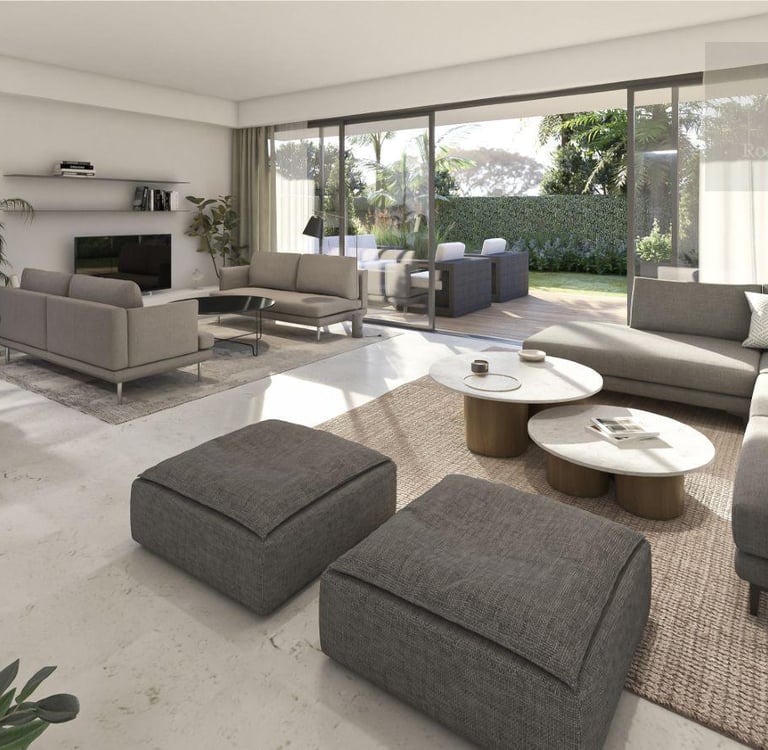
Vacation homes, often referred to as second homes, are properties primarily used for leisure purposes, allowing owners to enjoy a getaway while also serving as a potential investment. These homes are typically located in desirable leisure destinations such as beaches, mountains, or urban centers and can take many forms, including beach villas, ski lodges, and city apartments.
BUYING GUIDEREAL ESTATERED SEA PROPERTIESINVESTMENT OPPORTUNITIES
4/8/20264 min read

Understanding Vacation Homes
Vacation homes, often referred to as second homes, are properties primarily used for leisure purposes, allowing owners to enjoy a getaway while also serving as a potential investment. These homes are typically located in desirable leisure destinations such as beaches, mountains, or urban centers and can take many forms, including beach villas, ski lodges, and city apartments.
One of the significant advantages of owning a vacation home is the opportunity for rental income. Many vacation homeowners choose to rent out their properties when they are not using them, thereby generating revenue that can offset maintenance and mortgage costs. This is particularly viable in popular tourist areas, where vacation rentals are in high demand. Moreover, various online platforms facilitate the rental process, making it easier for homeowners to reach potential guests.
In addition to financial benefits, vacation homes offer personal enjoyment. They serve as a personal retreat, providing a space where families and friends can gather and create lasting memories. This emotional value can be considerable, as the property often becomes a beloved part of family traditions and experiences.
Potential tax advantages also present an important aspect of vacation home ownership. Owners may qualify for deductions on mortgage interest and property taxes, depending on how the property is utilized. Generally, if the home is rented out for fewer than 15 days a year, rental income is not taxable, and expenses can be written off, providing relief to the property owner.
In considering a vacation home, understanding these benefits and the various types of properties available is crucial in deciding if this investment aligns with one’s personal and financial goals.
Understanding Permanent Homes
Permanent homes refer to residential properties that individuals and families purchase to serve as their primary residence. These properties are critical investments, offering long-term stability and the potential for equity growth. A permanent home allows homeowners to establish roots in a community, providing them with a sense of belonging and security.
Owning a permanent home presents several advantages over renting. For one, homeowners often enjoy greater financial stability. As homeowners pay off their mortgage, they build equity, which can serve as a financial resource in the future. Additionally, home ownership often leads to predictable housing costs in the form of fixed-rate mortgages, which can be contrasted against the volatility of rental prices.
There are several types of permanent homes, categorized based on their structure and ownership model. Single-family homes are standalone properties that provide maximum space and privacy, making them the most sought-after choice for many families. Townhouses, on the other hand, are multi-family units that share walls with neighbors, often providing a balance between affordability and community living. Lastly, apartments, which can be rented or owned through condominium agreements, typically offer convenient living options within urban settings, appealing particularly to young professionals and retirees.
In addition to personal benefits, investing in a permanent home can have broader economic advantages. Housing markets tend to appreciate over time, allowing homeowners to potentially profit from their investments as property values rise. Thus, understanding the aspects of permanent homes not only aids potential buyers in making informed decisions but also underlines the significance of such investments in fostering economic stability.
Comparing Costs and Financial Considerations
Investing in real estate is a significant financial decision, and understanding the costs associated with vacation homes versus permanent homes is crucial. The initial investment for both types of properties can vary considerably. Typically, vacation homes may come with a higher upfront cost due to location desirability and seasonal demand. In contrast, permanent homes often feature a wider range of price points, depending on the neighborhood and market conditions.
Ongoing expenses also differ. Vacation homes often incur higher operational costs, such as maintenance, property management fees, and utilities, as they may not be occupied year-round. Moreover, the requirement for seasonal maintenance—such as winterization—adds to this financial burden. Conversely, permanent homes might have lower maintenance costs if they are owner-occupied consistently, as owners can identify and address issues promptly before they escalate.
When considering potential returns on investment, vacation homes can generate significant income if rented out during peak seasons. However, this income can be unpredictable based on market fluctuations and local tourism trends. Permanent homes generally provide stable long-term appreciation, potentially yielding a consistent increase in property values over time, making them a less volatile investment option.
Financing options differ notably between these two property types. Lenders may impose stricter requirements for financing vacation homes, often requiring higher down payments and better credit profiles. Insurance considerations are also a critical factor—vacation homes typically command higher premiums due to their risk of damage and liability issues associated with rental use.
Overall, understanding the financial implications of investing in either vacation homes or permanent homes involves a careful evaluation of these costs and benefits. Staying informed about current market trends can also provide insight into making a well-informed investment decision.
Lifestyle and Personal Considerations
When it comes to making a significant investment in real estate, your lifestyle and personal circumstances play a pivotal role in determining whether to invest in a vacation home or a permanent residence. The decision often boils down to how frequently an individual or family travel, their financial aspirations, and the specific needs they have regarding family dynamics and local market trends.
If traveling for leisure is a frequent activity in your life, a vacation home might serve not only as an escape but also as a source of passive income. Conversely, if you tend to spend the majority of your time in one location—be it for work, family, or community—you might find that a permanent home aligns better with your daily routines and long-term stability goals. A permanent residence often offers the advantage of building equity over time, providing financial security.
Family needs can also significantly influence this decision. Considerations such as school quality in an area, the availability of nearby amenities, and proximity to extended family can sway the choice toward a permanent home. On the other hand, vacation homes often serve as excellent bonding places for families, allowing quality time away from daily distractions.
Local market conditions further affect both types of investments. Understanding market trends, rental potential, and property appreciation will aid in identifying which option may yield better returns. Additionally, the emotional aspect of owning a home—whether it is a cherished getaway or a permanent haven—can influence one’s satisfaction and overall quality of life. Ultimately, evaluating these personal and lifestyle considerations is key to making an informed real estate investment decision that best suits your circumstances.