
Studio vs 1-Bedroom: Which Has Better Rental Potential? | ROI & Rental Yield Guide
Studio vs 1-Bedroom: compare rental potential, ROI, rental yield, demand, and costs to find the smarter property investment for rental income.
BUYING GUIDEINCOMERED SEA PROPERTIESREAL ESTATEINVESTMENT OPPORTUNITIES
9/5/20265 min read
Understanding Studio Apartments
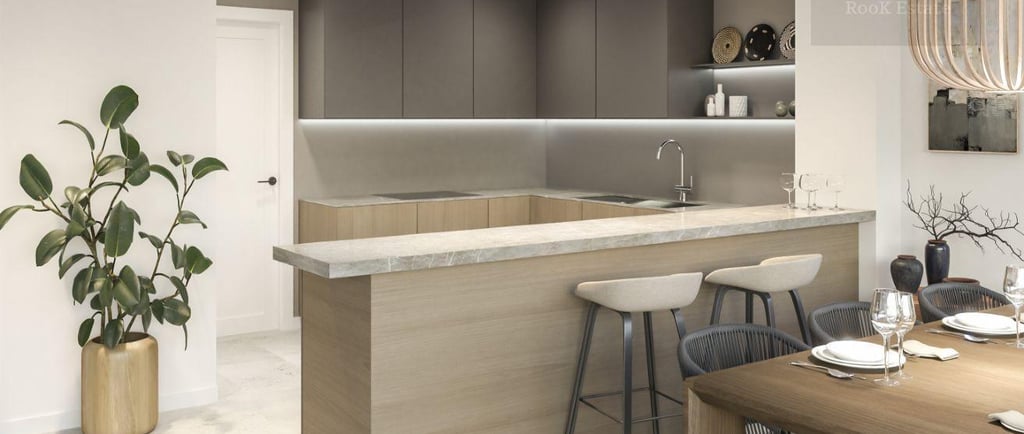
Studio apartments are compact living spaces that typically combine a bedroom, living room, and kitchenette into a single open area. This efficient layout allows for maximization of space, often appealing to urban dwellers who prioritize location and lifestyle over square footage. Studio apartments usually feature essential amenities such as a bathroom and basic kitchen fixtures; however, their design can vary significantly from one property to another.
One of the primary advantages of studio apartments is their affordability. They generally have lower rental prices compared to one-bedroom apartments, making them an attractive option for a variety of demographic groups. Young professionals, students, and those who are new to a city often find studio apartments to be an optimal choice. These renters typically seek flexibility and convenience, allowing them to invest in their experiences rather than in larger living spaces.
While studio apartments offer a range of benefits, they also come with certain disadvantages. The limited space can be challenging for individuals who enjoy hosting guests or require extensive storage. Moreover, the open layout may not provide the same level of privacy as a one-bedroom apartment, which can be a crucial consideration for some renters. Noise can also be a factor, as lack of separation can lead to disturbances. Thus, understanding the dynamics of studio living is essential for potential renters, especially those navigating urban environments where studio apartments often dominate the housing market.
The Appeal of 1-Bedroom Apartments
1-bedroom apartments have become increasingly popular among various demographics due to their combination of functionality and comfort. Typically designed to accommodate one or two occupants, these units are ideal for singles, couples, and small families. The layout generally includes a separate bedroom, a living area, a kitchen, and a bathroom, which provides a sense of privacy while still maintaining a compact living space.
Many 1-bedroom apartments are equipped with modern amenities, such as in-unit laundry facilities, updated kitchen appliances, and storage options. These features cater to the lifestyle of urban renters who often seek convenience and efficiency in their living arrangements. Additionally, the ability to personalize the space allows renters to create a home that reflects their personal taste, further enhancing the appeal of these apartments.
The target demographic for 1-bedroom apartments includes young professionals, newlyweds, and even retirees looking to downsize. This diverse audience appreciates the affordability and manageable maintenance associated with smaller living quarters. As urban areas become increasingly congested, many individuals find that 1-bedroom apartments provide an ideal balance between size and cost, allowing them to reside in desirable neighborhoods without breaking the bank.
However, there are pros and cons to consider. On the positive side, 1-bedroom apartments generally have lower rental prices compared to larger units, making them attractive for budget-conscious renters. Additionally, their compact nature can lead to lower utility costs and easier upkeep. Conversely, potential drawbacks include limited living space and a lack of flexibility for those who may need additional rooms in the future. This aspect can deter larger families or those planning to expand from considering 1-bedroom apartments.
Despite these challenges, the appeal of 1-bedroom apartments remains strong. Their design and layout cater to a wide array of lifestyles, offering a cozy yet practical living environment. As they continue to attract diverse renters, these apartments serve as a testament to changing housing needs in modern society.
Comparative Analysis: ROI and Rental Yield
When evaluating the rental potential of different property types, understanding return on investment (ROI) and rental yield is crucial for property owners. This comparative analysis focuses on studio apartments and one-bedroom apartments, two popular choices for renters. By examining rental rates, occupancy rates, and other pertinent factors, this section aims to provide valuable insights into which type might yield better financial returns.
Rental rates for studio apartments generally tend to be lower than those for one-bedroom apartments. This can make studios more appealing for those seeking affordability. Lower rental prices often attract a higher volume of tenants, potentially leading to increased occupancy rates. However, the lower monthly income generated by studios must be weighed against their often smaller square footage and appeal to specific demographics, such as young professionals or students.
On the other hand, one-bedroom apartments typically command higher rental prices, which can result in a more substantial income per unit. However, these units may have varying occupancy rates depending on the local market conditions and demand for larger living spaces. In regions where housing demand is high, one-bedroom apartments may offer attractive returns. In contrast, during market downturns, these properties may experience longer vacancy periods, affecting overall ROI.
Additionally, other factors contributing to financial returns for property owners include location, amenities, and overall market trends. Properties in vibrant neighborhoods with access to public transport, retail, and recreational facilities tend to attract both studio and one-bedroom renters, often leading to higher rental yields. Therefore, beyond just the size and layout, savvy investors should consider the broader context of each property before making a decision.
Overall, both studio and one-bedroom apartments present unique investment opportunities. Determining which property type leads to better financial outcomes depends on various factors, including the local rental market and the investor's long-term goals. By carefully analyzing these elements, property owners can make informed decisions that align with their financial aspirations.
Factors Influencing Rental Potential
When evaluating the rental potential of studios versus 1-bedroom apartments, several external factors come into play. These factors significantly influence the desirability and profitability of the rental properties. One of the foremost considerations is location. Properties situated in urban centers often command higher rental prices due to the proximity to essential amenities such as grocery stores, public transportation, and recreational facilities. In contrast, properties in less desirable areas may struggle to attract tenants, regardless of the type of apartment.
Another essential aspect is the availability of local amenities. Tenants increasingly seek comfort and convenience, favoring properties near gyms, parks, dining options, and entertainment venues. Rental units that provide easy access to these amenities tend to have a competitive edge in the market. For example, a studio apartment in a vibrant neighborhood with cafes and cultural venues may appeal to young professionals more than a larger but isolated 1-bedroom unit.
Economic conditions also play a crucial role in rental attractiveness. In a healthy economy, higher employment rates boost demand for rentals, potentially increasing rental prices. Conversely, during economic downturns, potential tenants may resort to smaller, more affordable studios, thereby impacting the rental market dynamics for 1-bedroom apartments. Additionally, understanding target market preferences is vital; families may prefer 1-bedroom apartments for more space, while single professionals might favor the convenience of studio living.
To maximize rental potential, investors should consider these factors comprehensively. Focus on properties in desirable locations and ensure access to amenities that align with the preferences of your target demographic. Engaging in market research to comprehend current economic trends can also help inform investment strategies. Ultimately, a well-rounded approach, considering these external influences, will enhance the attractiveness of rental properties and ensure better returns on investment.
Ready to Invest?
Compare your options and find a property with the right balance of purchase price, rental demand, expected yield, and long-term potential.