
Record Highs: Egyptian Hotel Occupancy Rates Exceed 90%
In recent months, Egypt's tourism industry has experienced a notable resurgence, with hotel occupancy rates surpassing 90%. This remarkable uptrend is attributed to several key factors that have rejuvenated this pivotal sector of the Egyptian economy. First and foremost, the relaxing of travel restrictions in various countries has facilitated smoother international travel. As tourists regain their confidence to travel, Egypt stands out as a sought-after destination, renowned for its rich historical heritage and scenic landscapes.
BUYING GUIDERED SEA PROPERTIESINVESTMENT OPPORTUNITIES
3/5/20264 min read
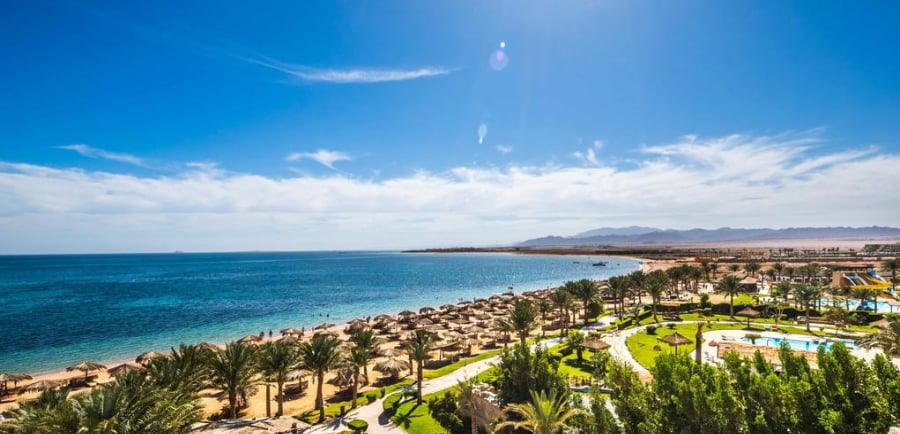
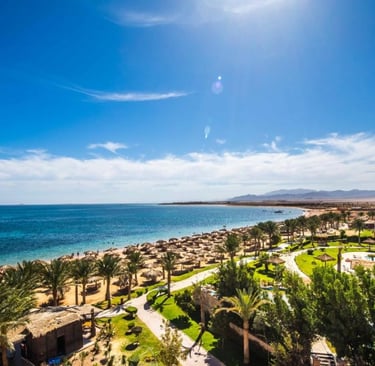
Overview of the Tourism Boom in Egypt
In recent months, Egypt's tourism industry has experienced a notable resurgence, with hotel occupancy rates surpassing 90%. This remarkable uptrend is attributed to several key factors that have rejuvenated this pivotal sector of the Egyptian economy. First and foremost, the relaxing of travel restrictions in various countries has facilitated smoother international travel. As tourists regain their confidence to travel, Egypt stands out as a sought-after destination, renowned for its rich historical heritage and scenic landscapes.
Moreover, improved safety measures implemented across the nation have further solidified Egypt's reputation as a safe and appealing destination. These safety enhancements include increased health protocols in hotels and tourist destinations, boosting travelers' assurances regarding their wellbeing while visiting. Furthermore, destinations such as the pyramids of Giza, the temples of Luxor, and the stunning Red Sea resorts continue to attract visitors due to their unparalleled cultural significance and natural beauty.
Recent tourism statistics illustrate the profound impact of these developments. For instance, the Ministry of Tourism and Antiquities reported a significant increase in the number of international arrivals, highlighting a growing global interest in Egypt's cultural offerings. Additionally, online travel agencies have recorded a surge in bookings, which further indicates the high demand for Egyptian accommodations. With advanced marketing strategies and targeted promotions, Egypt's tourism board has effectively showcased its ancient heritage and modern amenities.
This combined momentum points towards not only a fleeting seasonal upturn but potentially a sustained recovery trajectory for Egypt's tourism industry. The future looks promising, with various stakeholders optimistic that continued efforts will further enhance Egypt’s appeal as a premier tourist destination, reaffirming its position in the global tourism market.
Impact on the Hospitality Industry
The recent surge in hotel occupancy rates in Egypt, exceeding 90%, presents significant ramifications for the hospitality industry. This favorable trend not only highlights the country's booming tourism sector but also plays a vital role in invigorating various local businesses associated with hospitality. As hotels generate increased revenue, they directly contribute to heightened economic activity within the region, bolstering sectors such as dining, transportation, and entertainment.
With a flood of tourists flocking to Egypt, restaurants and local attractions are witnessing a noteworthy increase in patronage, driving their revenues higher. This uptick allows these establishments to invest in amenities, expand their offerings, and improve overall service quality. Moreover, the increased footfall translates to enhanced job opportunities within the sector, positively influencing the local job market and supporting community livelihood.
These high occupancy rates are also likely to attract further investments in Egypt's tourism infrastructure. Investors may view the current scenario as an optimistic signal, prompting them to develop new hospitality projects or upgrade existing facilities, aiming to capture a larger share of the burgeoning tourism market. This influx of investment could lead to the creation of modern hotels, upgraded transport links, and expanded recreational opportunities, ultimately enriching the tourist experience.
However, the hospitality sector is not without its challenges amid this flourishing demand. Hotels are confronted with maintaining service quality while accommodating an increased number of guests. Managing staff workload, ensuring consistent guest satisfaction, and maintaining high standards of hospitality become increasingly complex with higher occupancy rates. Hoteliers must strike a delicate balance between maximizing operational efficiency and delivering an unforgettable experience to their guests. Meeting these challenges head-on will be essential for the long-term sustainability of Egypt's vibrant tourism industry.
Strategic Measures by Tourism Officials
In recent years, the Egyptian tourism sector has witnessed a remarkable resurgence, with hotel occupancy rates soaring above 90%. This achievement can be attributed to the strategic measures implemented by tourism officials, focusing on marketing initiatives, partnerships, and domestic tourism enhancement.
One of the primary strategies has been the aggressive marketing campaigns aimed at highlighting Egypt's unique offerings, including historical sites, breathtaking landscapes, and vibrant culture. These campaigns leverage both traditional media and digital platforms, targeting diverse demographics across the globe. The use of social media influencers and travel bloggers has played a significant role in attracting international travelers, showcasing the safety and allure of Egypt as a premier travel destination.
Partnerships with international travel agencies have also been pivotal in bolstering Egypt’s tourism appeal. Collaborative efforts ensure that travel packages are tailored to meet the preferences of various groups, from adventure seekers to luxury travelers. Such partnerships facilitate seamless travel experiences and enhance the visibility of Egyptian tourism in international markets.
In addition to international marketing, there is a concentrated effort to boost domestic tourism. Initiatives aimed at encouraging local citizens to explore their own country include promotional discounts, special events, and festivals that celebrate Egyptian heritage. This not only generates revenue but also fosters national pride and awareness about local attractions.
Moreover, government policies play a vital role in ensuring a safe and attractive environment for visitors. Enhanced safety measures, including health protocols and investment in infrastructure, are continuously being adapted. These initiatives contribute to a reassuring perception of Egypt as a safe destination, further driving occupancy rates higher.
Future Trends and Projections for Egypt's Tourism Sector
The recent surge in hotel occupancy rates in Egypt, now exceeding 90%, signals a vibrant recovery within the tourism sector. This upward trend reflects a growing interest in Egypt as a travel destination, yet it begs the consideration of future trends and potential challenges. Experts predict that the continuing influx of tourists will lead to increased occupancy rates in the coming years, potentially reaching over 95% in peak season as more international travel resumes and air links expand.
However, with rising tourism comes potential challenges. Popular attractions, such as the Pyramids of Giza and the temples of Luxor, may face overcrowding, which can detract from the visitor experience and strain local resources. A significant concern for stakeholders is the environmental impact associated with heightened tourist activity. Increased footfall can lead to degradation of these historical sites and surrounding natural habitats, prompting a need for policies that promote sustainable tourism practices.
To address these challenges, experts advocate for the implementation of measures that enhance tourists’ experiences while preserving Egypt's cultural and natural heritage. Sustainable practices, such as the promotion of off-peak travel, development of lesser-known sites, and investment in eco-friendly local accommodations, can help mitigate the adverse effects of overcrowding. Strategies emphasizing environmental stewardship can ensure that Egypt remains not only a popular destination but also a responsible one.
Looking forward, the future of Egypt's tourism sector appears promising yet precarious. By harnessing insights from industry experts and adopting sustainable tourism practices, the sector can plan for robust growth while safeguarding its invaluable resources for generations to come. The anticipated rise in occupancy rates will likely necessitate a proactive response from the government and stakeholders to ensure a harmonious balance between tourism growth and environmental sustainability.
Plan Your Stay in Egypt Today! With hotel occupancy rates soaring above 90%, now is the perfect time to book your spot and experience Egypt’s vibrant tourism and stunning attractions.