
Pre-Construction vs Turnkey Properties in 2026 – Maximize Your Real Estate ROI
Pre-construction properties are real estate projects that are in the planning or development phase but have not yet been completed. These properties often represent substantial investment opportunities, as they generally allow buyers to purchase at lower prices compared to fully constructed homes or units. By entering the market early, investors can take advantage of potential appreciation in the property’s value as the construction progresses and market demand increases.
BUYING GUIDERED SEA PROPERTIESINVESTMENT OPPORTUNITIES
1/12/20265 min read
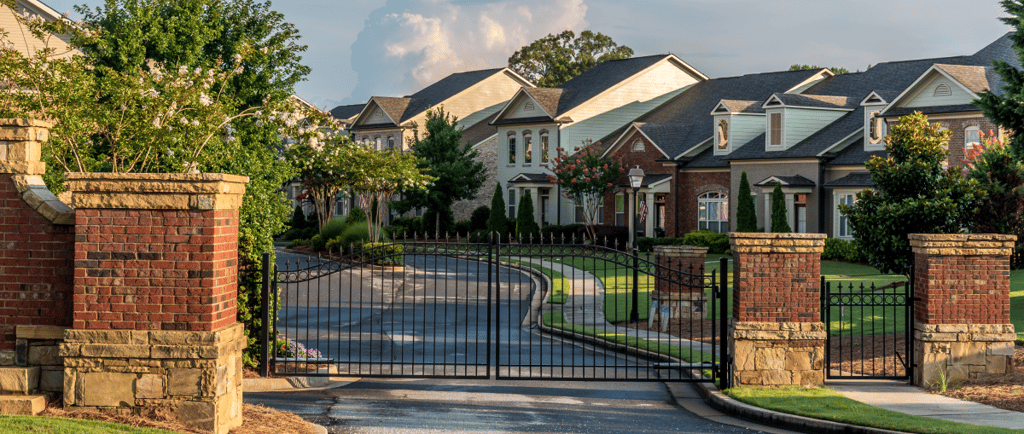
Pre-construction properties
Pre-construction properties are real estate projects that are in the planning or development phase but have not yet been completed. These properties often represent substantial investment opportunities, as they generally allow buyers to purchase at lower prices compared to fully constructed homes or units. By entering the market early, investors can take advantage of potential appreciation in the property’s value as the construction progresses and market demand increases.
One of the primary benefits of investing in pre-construction properties is the potential for significant returns on investment. As the property nears completion, the market value typically rises, which can yield considerable profits if the investor decides to sell the property shortly after completion. Additionally, pre-construction properties often come with flexible payment structures, allowing buyers to make deposits in increments over the construction timeline rather than requiring a lump-sum payment upfront. This can be particularly appealing for buyers who might not have sufficient capital available immediately.
Moreover, investing in pre-construction can also cater to personal preferences. Buyers often have the option to customize certain aspects of the property during the construction phase, such as layout, finishes, and other amenities. This element of personalization can enhance buyer satisfaction and ultimately lead to increased value upon completion.
However, pre-construction investments are not without risks. Delays in construction timelines can occur for various reasons, including zoning approvals, labor shortages, or rising material costs. Additionally, the market conditions in 2026 may present challenges such as fluctuations in housing demand or changes in interest rates, which could impact property values and investor returns. It is crucial for investors to stay informed about these factors when considering entering the pre-construction market.
In summary, pre-construction properties can offer a potential pathway for maximizing real estate returns. By understanding what these investments entail, including their benefits and associated risks, investors can better position themselves to capitalize on opportunities in the evolving 2026 real estate landscape.
The Turnkey Property Advantage
Turnkey properties represent a unique opportunity for real estate investors seeking to maximize their return on investment (ROI) in 2026. These properties are fully renovated and leased, allowing investors to start generating rental income almost immediately upon acquisition. This instant cash flow is one of the most significant advantages of investing in turnkey properties, as it not only provides a steady income stream but also reduces the time period that investors typically experience a return on their investment.
Another notable benefit of turnkey properties is the reduced hassle with property management. Many turnkey solutions come with professional property management services included, which alleviates the burden of day-to-day operations for the investor. This aspect is particularly appealing to those who may not have the time, experience, or desire to engage in property management themselves. By having a professional team handling tenant issues, maintenance needs, and administrative tasks, investors can focus on expanding their portfolios and exploring additional investment opportunities.
Moreover, turnkey properties often present lower initial risks compared to other investment strategies. Because these properties undergo thorough inspections and renovations before being sold, investors can be confident about their condition and the likelihood of generating rental income. This assurance helps reduce the uncertainties typically associated with purchasing fixer-uppers or pre-construction properties that may encounter unexpected delays or costs.
The demographic attracted to turnkey properties includes both seasoned investors and those new to real estate. New investors appreciate the ease of stepping into an income-generating asset without the substantial effort that other properties might require. Meanwhile, experienced investors view turnkey properties as a way to diversify their portfolios with minimal effort, expanding their reach into different markets. Overall, the turnkey property model is an increasingly favorable choice for those looking to enhance their real estate investment strategy in 2026.
Comparative Analysis: Pre-Construction vs Turnkey
When evaluating investment opportunities in real estate, it is crucial to compare pre-construction properties and turnkey properties to make informed decisions. Each option offers distinct advantages and disadvantages that can impact cash flow, return on investment (ROI) potential, market demand, investment longevity, and associated risks.
Pre-construction properties typically involve purchasing a unit before it has been built. This strategy allows investors to secure properties at current prices, often lower than the future market value once construction finishes. The potential for appreciation during the build period can yield substantial ROI for investors who can withstand the waiting period. However, pre-construction investments come with risks, such as market fluctuations and construction delays, which can affect projected cash flow and overall profitability.
Turnkey properties, on the other hand, are fully operational investments that are ready for immediate occupancy or rental. Such properties provide the advantage of instant cash flow, which might be appealing for investors seeking steady income. Nonetheless, the upfront cost of purchasing a turnkey property is often higher compared to pre-construction investments. Investors may also face less appreciation potential, as these properties generally reflect current market prices, limiting their long-term ROI potential.
Market demand plays a vital role in both options. Pre-construction properties can be attractive in high-growth areas, where demand for new housing is robust. Conversely, established neighborhoods may favor turnkey properties, which are often more appealing to buyers and renters looking for immediate occupancy. Furthermore, investment longevity is a significant factor; turnkey properties may offer less potential for rapid appreciation, while pre-construction properties may require an extended commitment.
In conclusion, an informed analysis of both pre-construction and turnkey properties reveals crucial insights into their respective risk levels and ROI potential. Understanding these dynamics allows investors to make strategic decisions aligned with their financial goals and market conditions.
Making the Right Choice for Your Investment Strategy
When it comes to making informed decisions between pre-construction and turnkey properties, it is essential to align choices with specific investment goals, risk tolerance, and prevailing market conditions. Each investment strategy comes with its unique set of advantages and considerations that potential investors should carefully evaluate.
Pre-construction properties are particularly appealing for those looking for significant long-term appreciation and equity building. Investors with a higher risk tolerance may find these properties advantageous due to often lower entry prices and the potential for substantial value increases over time as the project progresses. However, it is crucial to consider the inherent risks such as construction delays, changes in market demand, and the uncertainties surrounding completion timelines.
On the other hand, turnkey properties offer immediate rental income and are generally less risky, making them a suitable option for conservative investors seeking steady returns. They come with the benefit of being ready to occupy or rent, which allows for quicker realization of cash flow. Investors in this category must scrutinize the condition of the property and evaluate existing leases and tenant quality to ensure a sustainable investment.
Prior to making a commitment in 2026, it is wise for investors to engage in thorough due diligence. This involves assessing market trends, local housing demands, and economic indicators that could affect property value. Furthermore, reflecting on personal financial situations, including credit standing, liquidity, and cash flow requirements, can significantly influence the choice between pre-construction projects and turnkey options.
To maximize return on investment, investors should also consider diversification. Balancing a portfolio that includes both pre-construction and turnkey properties may help mitigate risks while capitalizing on the potential benefits of each approach. Ultimately, the decision hinges on aligning investment choices with individual financial goals and market realities.
Your 2026 Property Investment Starts Here – Discover Smart Options Now!