
Luxury vs. Affordable Real Estate: Understanding the Differences and Investment Potential
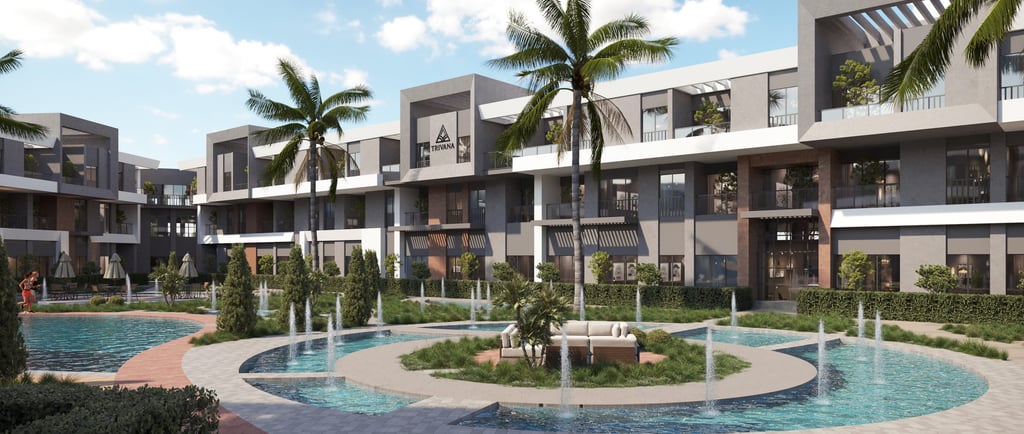
Understanding the core definitions of luxury and affordable real estate is essential for any potential investor or homeowner. Luxury real estate is often characterized by its upscale location, which typically places it in prestigious neighborhoods or regions renowned for exclusivity. Properties in this category are distinguished by high-end finishes, such as bespoke materials, architectural uniqueness, intricately designed interiors, and state-of-the-art appliances. Additionally, luxury real estate often comes with extensive amenities, which may include features like private pools, spas, fitness centers, and concierge services that elevate the living experience.
BUYING GUIDERED SEA PROPERTIESINVESTMENT OPPORTUNITIES
1/28/20265 min read
Defining Luxury and Affordable Real Estate
Understanding the core definitions of luxury and affordable real estate is essential for any potential investor or homeowner. Luxury real estate is often characterized by its upscale location, which typically places it in prestigious neighborhoods or regions renowned for exclusivity. Properties in this category are distinguished by high-end finishes, such as bespoke materials, architectural uniqueness, intricately designed interiors, and state-of-the-art appliances. Additionally, luxury real estate often comes with extensive amenities, which may include features like private pools, spas, fitness centers, and concierge services that elevate the living experience.
Furthermore, exclusivity plays a vital role in defining luxury properties; they are frequently in limited supply, which adds to their appeal and value. This limited availability can significantly influence market demand, making luxury real estate not just a residence but also a status symbol and an investment opportunity.
On the other hand, affordable real estate is defined by its accessibility and cost-effectiveness. This category encompasses properties that are more aligned with the average consumer’s budget and are intended for everyday living. Affordable housing often prioritizes practicality, featuring designs and specifications that meet the basic needs of residents without excessive luxury. These properties appeal to first-time buyers, families, and individuals seeking stability without the financial burden of more expensive, luxury options.
The attributes of affordable real estate focus on functionality, community proximity, and sustaining long-term occupancy. Overall, affordable properties contribute significantly to meeting the housing needs of a larger demographic, further contrasting with the niche market of luxury real estate. By establishing these clear definitions, we can better analyze the investment potential that both sectors offer to prospective buyers.
Market Trends in Luxury and Affordable Real Estate
The real estate sector is influenced by a myriad of factors, and the current market trends for luxury and affordable real estate provide a compelling insight into these dynamics. Notably, economic conditions play a pivotal role in shaping both segments. For instance, luxury real estate often exhibits resilience even during economic downturns. Wealthy individuals tend to invest in high-end properties as a stable asset class, which can maintain value compared to other investments. Recent data indicates that while the affordable housing segment may face challenges in terms of supply, it has witnessed a surge in demand. This demand is particularly driven by increasing population growth and urbanization, as more individuals seek accessible housing options.
Demographic shifts also significantly impact real estate trends. Younger generations, particularly Millennials and Gen Z, express a preference for urban living environments, contributing to a rise in demand for affordable housing. Consequently, developers are increasingly focusing on creating affordable units in strategic locations to cater to this demographic. In contrast, the luxury market continues to attract older affluent buyers, as well as international investors seeking prime properties in desirable locations. This divergence in target demographics underscores the distinct appeal of each market segment.
Consumer preferences further differentiate luxury and affordable real estate. Luxury homebuyers often prioritize unique attributes such as amenities, location prestige, and architectural standards. Conversely, those seeking affordable housing tend to focus more on value, functionality, and proximity to essential services. Analysts have noted geographical variances, too, with luxury real estate gaining traction in metropolitan areas and resort destinations, while affordable housing is prevalent in suburban and urban areas experiencing rapid growth.
In summary, understanding the current market trends in luxury and affordable real estate is essential for investors and stakeholders to make informed decisions. By analyzing economic conditions, demographic shifts, and consumer preferences, one can comprehend the unique potential and challenges that each segment presents within the broader real estate market.
Investment Potential: Luxury vs. Affordable Real Estate
When considering the investment potential of luxury versus affordable real estate, it is crucial to evaluate several factors including expected returns, market stability, and associated risks. Luxury real estate often garners attention due to its high appreciation potential. Properties in affluent neighborhoods tend to have reduced volatility and can maintain value during economic fluctuations. Investors may also benefit from substantial rental income due to a demand from high-net-worth tenants seeking premium accommodations.
In contrast, affordable real estate typically offers steady cash flow and attracts a consistent demand as the housing market fluctuates. Affordable housing units tend to cater to a broader segment of the population, resulting in less fluctuation in occupancy rates. Many investors find that they can generate reliable rental income, especially in urban areas with growing populations. Furthermore, economic downturns often see an increase in demand for affordable housing solutions, allowing investors in this sector to mitigate risks.
However, the risks associated with luxury real estate investment can vary significantly. While luxury properties can offer higher returns, they are also susceptible to market trends and shifts in consumer preferences. A downturn in the economy could affect the luxury market adversely, decreasing demand and leading to longer selling cycles. On the other hand, affordable properties, while potentially lower yielding, generally present a safer investment option due to their inherent demand.
The long-term benefits associated with each segment are worth consideration. Investing in luxury real estate can lead to significant appreciation over time, benefiting those who hold properties through economic cycles. In contrast, affordable properties can provide consistent cash flow, appealing to investors looking for stability. Evaluating individual investment goals is essential when determining whether to invest in luxury or affordable real estate to ensure alignment with expectations and market conditions.
Tips for Investors: Choosing Between Luxury and Affordable Real Estate
When considering an investment in either luxury or affordable real estate, several pivotal factors must be taken into account to ensure sound financial decision-making. Firstly, investors should clearly define their personal financial goals. This includes determining whether the focus is on maximizing returns, achieving long-term appreciation, or acquiring short-term rental income. Understanding these objectives will guide the type of real estate investment that aligns with one’s overall financial strategy.
Conducting thorough market research is equally paramount. Investors should analyze trends in both luxury and affordable segments. Luxury real estate often fluctuates based on demographic shifts and economic factors impacting wealthier buyers, while affordable real estate investments may be influenced more significantly by broader economic conditions, interest rates, and local housing availability. Evaluating these factors can provide insights into the most opportunistic areas for investment.
Moreover, property management can differ dramatically between luxury and affordable real estate. Investing in luxury properties often requires attention to high-end amenities and customer service, while affordable properties may necessitate a focus on maintenance and tenant management. Investors need to decide if they will manage the property themselves or hire professionals, which will impact the investment’s bottom line.
Additionally, a comprehensive understanding of local real estate laws is critical. Regulations can vary significantly by region, affecting management practices, rental rates, and property rights. Investors should familiarize themselves with zoning laws, tenant rights, and any impending legislations that could influence property values.
Evaluating personal risk tolerance also plays a crucial role. Those with a lower appetite for risk may find affordable properties to be a safer option due to their often more consistent demand. In contrast, investors comfortable with higher risks may benefit greatly from the potential higher returns of luxury real estate.
Finally, reviewing case studies of successful investors in both the luxury and affordable markets can provide valuable lessons. By examining their decisions, strategies, and outcomes, potential investors can gain insights and inspiration as they embark on their own real estate investment journeys. Understanding these essential factors empowers investors to make informed choices that align with their goals and risk profiles
Ready to make a smart property investment? Explore both luxury and affordable real estate opportunities!