
Live Better, Invest Smarter: Homes Built for Modern Lifestyles
In recent years, home design has increasingly reflected the shifting demands of modern lifestyles. Key characteristics of contemporary living profoundly influence housing preferences, necessitating a closer examination of how these elements shape home design choices.
REAL ESTATEBUYING GUIDEINVESTMENT OPPORTUNITIES
12/20/20254 min read
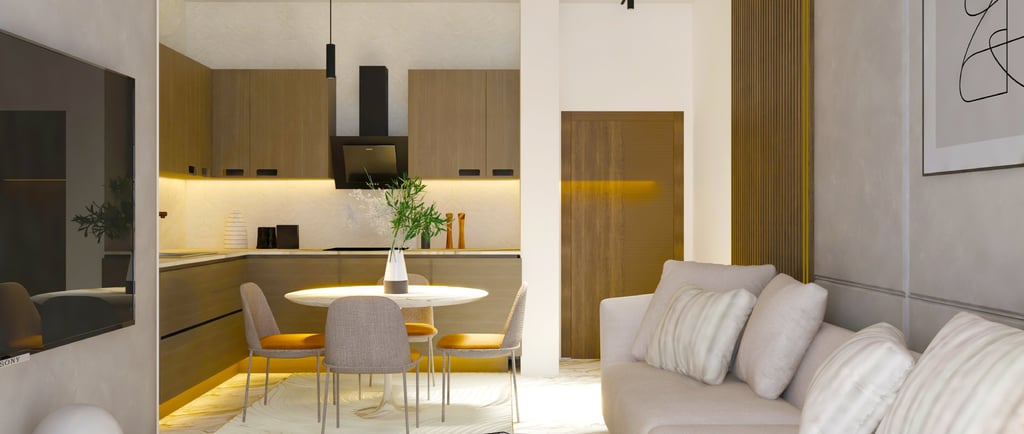
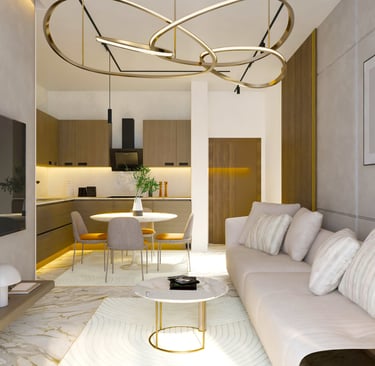
Understanding Modern Lifestyle Needs
In recent years, home design has increasingly reflected the shifting demands of modern lifestyles. Key characteristics of contemporary living profoundly influence housing preferences, necessitating a closer examination of how these elements shape home design choices.
One of the most significant factors is the rise of remote work. As more individuals adopt work-from-home arrangements, spaces that accommodate this shift become essential. Dedicated home offices equipped with technology and ergonomic furniture have become must-haves in modern homes. In fact, layouts that allow for flexible workspaces ensure productivity without compromising comfort. This trend underscores the need for designs that support both professional and personal life.
In addition to remote work considerations, wellness has emerged as a crucial element in home design. The modern homeowner places a high priority on mental and physical well-being, increasing demand for features such as natural lighting, open spaces, and access to nature. Sustainable living also plays a significant role here, with energy-efficient appliances and eco-friendly materials drawing increased interest. Integrating wellness principles not only enhances the living experience but also appeals to those prioritizing environmental responsibility in their choices.
Another emerging trend within modern lifestyles is multi-generational living. As families adapt to economic realities, more homes accommodate various age groups living under one roof. This arrangement influences home layout and design, with an emphasis on privacy and shared spaces. Effective designs will often feature separate living quarters and communal areas, catering to the diverse needs of family members while fostering connection.
Understanding these modern lifestyle needs is crucial for homeowners, architects, and builders alike. The evolution of homes reflects a broader societal shift, necessitating adaptations in design that prioritize flexibility, health, and inclusivity to better serve contemporary inhabitants.
The Features of Modern Homes
Modern homes are characterized by a variety of innovative features that cater to the evolving needs of contemporary lifestyles. One of the most significant advancements in residential construction is the integration of smart home technology. This capability allows homeowners to control various systems—such as lighting, heating, and security—remotely, often via mobile applications. Such technology not only enhances convenience but also contributes to overall energy management, helping to reduce utility costs.
Next, energy-efficient designs play a crucial role in modern homes. Innovations such as superior insulation, energy-efficient windows, and the use of sustainable building materials have become standard practices in home construction. These features not only minimize the environmental impact but also create a healthier living environment while promoting long-term savings on energy bills. Prospective buyers increasingly seek out homes that exhibit these efficiency standards, knowing they are making a smart investment.
Another defining characteristic of modern homes is the incorporation of flexible spaces. These versatile areas can be adapted to meet a variety of functions—such as home offices, workout spaces, or guest accommodations—making them ideal for individuals and families seeking multifunctional living. This adaptability ensures that spaces are utilized effectively, contributing to a more efficient and pleasant living experience.
Finally, community-oriented amenities have become a hallmark of modern residential developments. These features, which may include shared green spaces, recreational facilities, or communal areas, promote social interaction among residents. The sense of community offered through such amenities has proven invaluable, enhancing the overall quality of life and fostering connections among neighbors.
Overall, these features of modern homes reflect a commitment to comfort, sustainability, and practicality, signifying the ongoing evolution of residential living that aligns with the demands of today’s world.
Investing in Modern Homes: Financial Considerations
Investing in modern homes offers numerous financial benefits that align with contemporary lifestyles. One of the primary advantages is the potential for appreciation. Properties designed with modern features, such as open floor plans, smart home technology, and sustainable building materials, are increasingly sought after. As buyer preferences shift towards these characteristics, the demand for such homes is expected to continue rising, making them a potentially lucrative investment for homeowners and investors alike.
Additionally, modern homes often come with lower utility costs, which can enhance their overall appeal. Energy-efficient building designs, including high-quality insulation and energy-saving appliances, contribute to reduced energy consumption. This translates to lower utility bills for the homeowners, making the property more attractive to prospective renters or buyers. In an era where sustainability is becoming a key consideration in home buying decisions, the value associated with energy efficiency cannot be underestimated.
Moreover, the location of these modern properties plays a crucial role in their investment potential. Many new developments are situated in urban areas, close to amenities such as schools, parks, and public transport. This accessibility not only enhances the lifestyle for current residents but also bolsters the property’s desirability in the real estate market. Publications and reports indicate that homes in high-demand locations appreciate at a faster pace than those in less desirable areas. Thus, selecting properties situated in vibrant neighborhoods can yield significant financial returns.
In conclusion, investing in homes built for modern lifestyles represents a strategic financial decision. The blend of appreciation potential, lower operational costs, and favorable locations positions these homes as prime investments for both current and future property owners.
Case Studies: Successful Modern Homes
Modern homes embody innovative design principles and sustainable practices, which significantly enhance both aesthetic appeal and functionality. One exemplary case is the "Minimal House" in California, which showcases the concept of simplicity and efficiency. With its clean lines and open spaces, this residence utilizes large windows to maximize natural light, while the roof is equipped with solar panels. This not only reduces the carbon footprint but also lowers energy costs, exemplifying how sustainable building practices can be seamlessly integrated into modern home design.
Another notable example is the "Eco-Home" project in Australia, which emphasizes community integration through shared spaces. This development features a series of homes that are not only environmentally friendly but also encourage social interaction among residents. The design includes a communal garden and a shared recreational area, fostering an engaging neighborhood atmosphere. Moreover, the use of recycled materials in construction further underscores its commitment to sustainability.
An additional case that highlights modern architecture is the "Smart Home" in the Netherlands. This residence is equipped with cutting-edge technology that allows for automated energy management and enhanced security features. The use of intelligent design elements, such as energy-efficient systems and responsive lighting, exemplifies the forward-thinking approach prevalent in contemporary architecture. Such innovations not only contribute to the efficiency of the home but also enhance its market value, making it a sound investment.
Each of these case studies illustrates the successful application of modern design principles. They demonstrate how innovative architecture, sustainable building practices, and community-focused solutions can significantly enhance quality of life while providing a valuable investment opportunity. By analyzing these real-world applications, it becomes evident that modern homes hold great promise for the future.
Find Modern Homes That Combine Living Comfort and Investment Potential