
Hurghada vs Sheikh Zayed City: A 2026 Liveability Audit
Liveability refers to the quality of life in a particular area, encompassing various factors that contribute to the overall well-being of its residents. These factors typically include access to essential services, environmental quality, safety, and community engagement. In urban planning, the concept of liveability has gained significant traction as cities strive to create spaces that enhance the satisfaction and health of their inhabitants. As such, understanding liveability is crucial for promoting successful urban development and ensuring that cities meet the evolving needs of their populations.
BUYING GUIDERED SEA PROPERTIESINVESTMENT OPPORTUNITIES
3/9/20265 min read
Introduction to Liveability
Liveability refers to the quality of life in a particular area, encompassing various factors that contribute to the overall well-being of its residents. These factors typically include access to essential services, environmental quality, safety, and community engagement. In urban planning, the concept of liveability has gained significant traction as cities strive to create spaces that enhance the satisfaction and health of their inhabitants. As such, understanding liveability is crucial for promoting successful urban development and ensuring that cities meet the evolving needs of their populations.
Conducting liveability audits allows city planners and policymakers to assess how well a community is performing in key areas relevant to residents' quality of life. Such audits can reveal gaps in infrastructure, public services, and recreational opportunities, facilitating informed decision-making aimed at enhancing urban environments. Moreover, liveability metrics serve as benchmarks for cities, fostering competition that drives innovation and improvements. The outcomes of liveability evaluations ultimately seek to create harmonious environments where citizens feel safe, connected, and empowered.
This blog post will specifically compare two distinct locations in Egypt: Hurghada and Sheikh Zayed City. While both cities have unique characteristics and varying degrees of development, analyzing their liveability metrics will provide insight into how each location supports its residents’ needs. By highlighting their strengths and weaknesses, we can better understand how these cities contribute to the overall well-being of their communities. This comparison not only serves to evaluate their current state but also illuminates opportunities for growth and improvement in both urban settings.
Overview of Hurghada and Sheikh Zayed City
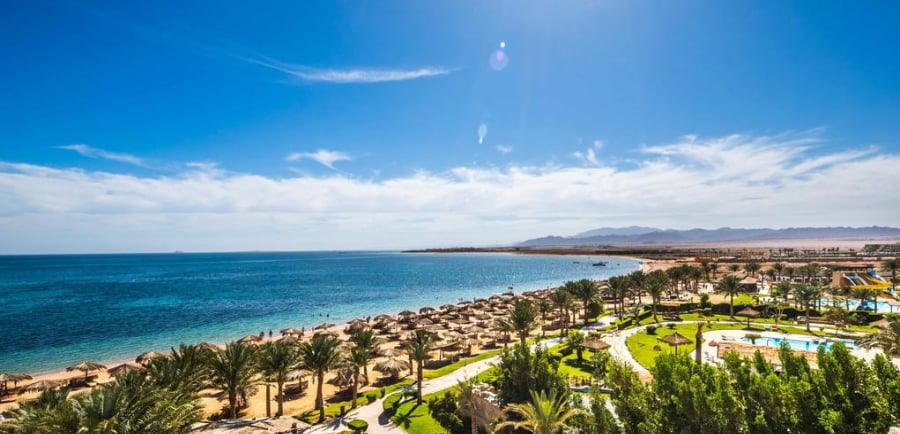
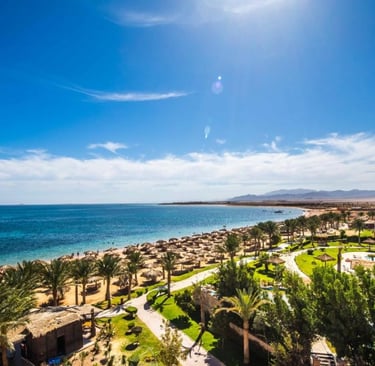
Hurghada is a prominent city located on Egypt's Red Sea coast, renowned for its vibrant tourism industry. Founded in the early 20th century as a small fishing village, it evolved into a major tourist hub, particularly since the 1980s. The city is celebrated for its natural beauty, featuring stunning beaches, crystal-clear waters, and abundant coral reefs. These attributes have established Hurghada as a premier destination for scuba diving and various water sports, attracting both domestic and international visitors. The economy of Hurghada is largely dependent on tourism, with numerous resorts, hotels, and leisure activities catering to travelers seeking relaxation and adventure.
Geographically, Hurghada benefits from its strategic location close to several historical and cultural sites, including the ancient treasures of Luxor and the picturesque landscapes of the Eastern Desert. The ongoing infrastructural development has further bolstered its appeal, ensuring better accessibility and enhanced amenities for residents and tourists alike.
In contrast, Sheikh Zayed City represents a modern urban development project located on the outskirts of Cairo. Established in the late 1990s, the city was designed to accommodate the growing population of Greater Cairo by providing ample residential options outside the bustling metropolis. Sheikh Zayed City showcases a well-planned infrastructure, accompanied by a blend of residential, commercial, and recreational spaces.
This burgeoning urban area features numerous educational institutions, healthcare facilities, and shopping centers, fostering a community-oriented environment. The city's layout, characterized by green spaces and organized road networks, promotes a high standard of living. Furthermore, Sheikh Zayed City has become a desirable location for young families and professionals seeking modern amenities coupled with a quieter lifestyle, thus outlining its unique attributes in comparison to the vibrant tourist-oriented nature of Hurghada.
2026 Liveability Metrics and Comparison
The assessment of liveability in urban environments hinges on various metrics that encapsulate the daily experiences of residents. For the cities of Hurghada and Sheikh Zayed City, a detailed analysis of infrastructure, healthcare, education, safety, and recreational facilities will provide insights into their relative advantages and disadvantages for future residents. Understanding these key facets is essential in gauging how each city is positioned to enhance the quality of life by 2026.
Infrastructure serves as the backbone of urban living. Hurghada, with its evolving transport network, is making strides in improving connectivity. Recent investments in road expansions and public transport systems suggest a positive trajectory. Conversely, Sheikh Zayed City's urban planning emphasizes integrated smart technologies, creating an interconnected urban fabric that may offer a more streamlined living experience. Such disparities could greatly influence daily commutes and accessibility in 2026.
Healthcare is another critical metric affecting liveability. Hurghada has seen improvements in healthcare services, with new medical facilities aiming to cater to the growing population. That said, discrepancies in availability and quality persist. In contrast, Sheikh Zayed City benefits from major healthcare institutions, which prioritize advanced medical technologies and access, promising a more reliable healthcare framework for its residents.
Education is foundational for community development. The quality and accessibility of educational institutions in both cities will shape the future workforce. Hurghada is expanding its educational offerings, while Sheikh Zayed City is touting its array of international schools known for their academic excellence. Safety metrics further contribute to liveability, with both cities investing in infrastructure to enhance public safety and surveillance.
Lastly, recreational facilities play a pivotal role in urban attractiveness. Hurghada’s coastal charm offers unique leisure opportunities, while Sheikh Zayed City boasts extensive parks and sports complexes, promoting a lifestyle that prioritizes outdoor activities. Evaluating these liveability metrics will provide a clearer picture of the strengths and weaknesses of both cities, paving the way for a better understanding of resident expectations in 2026.
Future Outlook and Recommendations
As demographic shifts and urbanization trends continue to shape the landscape of cities worldwide, both Hurghada and Sheikh Zayed City face unique opportunities and challenges in their pursuit of enhanced liveability. This 2026 Liveability Audit indicates several key areas where urban planning could substantially improve the quality of life for residents in both locations.
Firstly, both cities must prioritize sustainable development initiatives. In Hurghada, known for its tourism-driven economy, the implementation of eco-friendly practices in hospitality and local businesses can bolster environmental health while attracting conscious travelers. Similarly, Sheikh Zayed City, characterized by its rapid urban expansion, should focus on integrating green spaces and low-emission public transport systems to counteract urban sprawl and reduce pollution levels.
In terms of infrastructure, improving public services such as waste management, healthcare, and education will be vital for both cities. For Hurghada, developing comprehensive healthcare facilities that cater to both residents and tourists will ensure that the city remains not only welcoming but also a safe environment. Sheikh Zayed City citizens could benefit from enhanced educational programs and institutions, targeting skills for emerging job markets, thus preparing them for future employment opportunities.
Social inclusion is another critical factor identified in the audit. Increasing community engagement through local cultural events and recreational activities can significantly enhance the sense of belonging for both cities’ residents. Participation in local governance, offering platforms for citizens to express their views, can foster a stronger community identity.
However, both cities are likely to confront challenges such as resource limitations and climate change impacts. Effective urban planning strategies must be developed to address these issues and prepare for future uncertainties. By proactively implementing these recommendations, Hurghada and Sheikh Zayed City can position themselves as emerging leaders in liveability, ultimately improving the standard of living for their residents and attracting further investment.
Discover which city offers the best lifestyle and property value in 2026—Hurghada or Sheikh Zayed?