
How Tourism Boosts Local Real Estate: Key Benefits for Investors and Communities
The relationship between tourism and local real estate markets is profound and multifaceted. As tourism increases in a particular region, it typically leads to a surge in demand for various types of accommodations, including rental properties, hotels, and even permanent housing. This demand not only supports the local economy but also significantly influences property values.
BUYING GUIDERED SEA PROPERTIESINVESTMENT OPPORTUNITIES
3/14/20264 min read

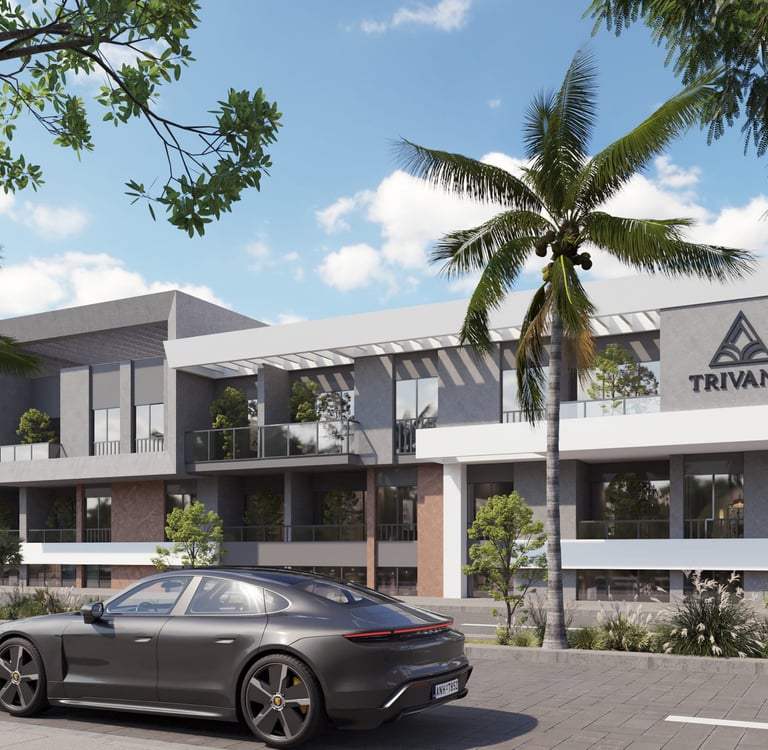
The Connection Between Tourism and Real Estate
The relationship between tourism and local real estate markets is profound and multifaceted. As tourism increases in a particular region, it typically leads to a surge in demand for various types of accommodations, including rental properties, hotels, and even permanent housing. This demand not only supports the local economy but also significantly influences property values.
For instance, in resort areas where tourism is a critical economic driver, property values often see a marked increase. Popular destinations such as Aspen, Colorado, or Maui, Hawaii, illustrate this point effectively. These areas attract thousands of tourists annually, driving up rental demands. Consequently, real estate investors often capitalize on vacation rentals, making substantial profits while also contributing to the local economy through increased property taxes and job creation.
Moreover, the influx of tourists can result in a thriving local business environment as new shops, restaurants, and entertainment venues emerge to cater to visitors. This growth fosters a vibrant community, further enhancing the appeal of the area for both tourists and potential property buyers. Areas that successfully integrate tourism into their community planning often experience sustained growth in property values, reinforcing the connection between a healthy tourism sector and a booming real estate market.
An additional case study to consider is Barcelona, Spain, where tourism has transformed the real estate landscape over the past decade. The constant influx of international visitors has driven up demand for rental properties, resulting in significant price increases. This pattern exhibits how closely tied tourism and real estate are, reinforcing the notion that a thriving tourism sector can lead to enhanced property values, attracting both local and foreign investors.
Economic Benefits for Investors
Tourism plays a significant role in enhancing the economic landscape, particularly for real estate investors. One of the primary benefits that tourism brings is the capacity for higher rental incomes, especially during peak seasons. Properties located in popular tourist destinations tend to attract a steady influx of visitors, which enables investors to capitalize on short-term rentals and maintain occupancy rates that outperform those in non-tourist-centric areas. This demand can lead to rental prices that are considerably higher compared to those outside tourist hotspots.
Moreover, the potential for property appreciation over time cannot be overlooked. As more tourists flock to a locale, the desirability of the area is likely to increase, leading to greater competition among potential buyers. This scenario not only uplifts property values but also encourages long-term investments. Investors can benefit from the gradual increase in property worth, translating into substantial profits upon resale.
Additionally, diversifying an investment portfolio is another crucial advantage of engaging in tourism-related real estate. Investors who incorporate properties in tourist-heavy regions into their portfolios can mitigate risks associated with market fluctuations. This diversification strategy provides a buffer against potential downturns in the economy, as the tourism sector often remains resilient during challenging times.
Evidence supporting these economic advantages can be seen in the financial return on investment (ROI) statistics for properties located in areas with high tourism traffic. These properties generally yield higher returns, making them appealing investments for those looking to maximize their economic gains. Therefore, it is no surprise that investors are increasingly drawn to regions that promise both immediate and long-term financial benefits tied to tourism.
Community Development and Infrastructure Improvement
The impact of tourism on local real estate extends beyond mere financial gains; it is intricately linked with community development and infrastructure improvement. The influx of tourists often necessitates advancements in several sectors to ensure a seamless experience, thereby benefiting the local population as well. As tourist attractions increase, so does the demand for improved road systems, reliable public transport, and enhanced local amenities.
One significant effect of tourism is the enhancement of transportation infrastructure. Communities that see a rise in visitors often undertake projects to upgrade existing roads or, in some cases, construct new transportation networks to accommodate increased traffic. This development not only serves tourists but also provides long-term advantages for local residents, enabling better access to various amenities and employment opportunities.
Additionally, the surge in tourism-related investments can lead to improved healthcare and educational facilities. For instance, in regions where medical facilities have traditionally been limited, the need for healthcare services catering to tourists prompts local governments to invest in modern hospitals, clinics, and service centers. Such improvements strengthen the community’s health infrastructure, benefitting residents significantly.
Recreational facilities also see substantial enhancements driven by tourism. Local parks, cultural venues, and sports complexes are often renovated or built anew, offering residents improved spaces for recreational activities. Communities like Asheville, North Carolina, and Sedona, Arizona, exemplify how tourism-related investments have transformed local recreational landscapes, enhancing not just the visitor experience but also enriching community life.
Ultimately, the interdependence between tourism and infrastructure development fosters a symbiotic relationship beneficial to both investors and local communities. As local real estate becomes more integrated with tourism-driven investments, the entire community stands to gain from improved infrastructure, making tourism a vital driver of community enhancement.
Challenges and Considerations for Sustainable Growth
The increase in tourism can bring significant momentum to local real estate markets, but it also introduces a number of challenges that need to be carefully managed for sustainable growth. One prominent issue is gentrification, where rising property values and living costs can displace long-standing residents, often eroding the cultural fabric of the community. This phenomenon poses a critical concern as affluent investors revitalize areas, potentially sidelining those who have contributed to the community's identity and dynamics.
Another challenge that arises with increased tourism is the environmental impact. Real estate developments can lead to habitat destruction, increased pollution, and stress on local resources, including water and energy supplies. It is essential for investors and developers to incorporate sustainable practices in their projects, such as using environmentally friendly materials, implementing energy-efficient systems, and ensuring the preservation of natural landscapes. These measures not only mitigate negative impacts but can also enhance the attractiveness of a new development, appealing to both environmentally conscious tourists and potential residents.
Furthermore, there is a risk of becoming over-dependent on tourism as an economic driver. While tourism can enhance local real estate values, a market overly reliant on visitor spending may falter during downturns, such as economic recessions or global events that disrupt travel. Diversification of the local economy, therefore, becomes crucial. Investors can support sustainability by investing in mixed-use developments that encourage local businesses and residents, promoting a balanced approach to growth.
Successful examples of sustainable tourism development exist, showcasing how real estate can grow while addressing community needs. Projects that integrate affordable housing with tourist accommodations, and prioritize local culture and businesses, can ultimately lead to a resilient and thriving community. By acknowledging the challenges and actively pursuing sustainable practices, both investors and communities can benefit significantly from the intersection of tourism and real estate.