
How to Choose the Perfect Property for Long-Term Investment in Egypt: Expert Tips for Smart Buyers
The Egyptian real estate market has seen significant transformation in recent years, influenced by various economic factors and demographic shifts. One of the key characteristics of the current landscape is the increasing demand for residential properties, particularly in urban areas such as Cairo and Alexandria. The urbanization trend, coupled with a growing population, has led to an acute shortage of affordable housing, thus driving property prices upward. Investors keen on entering this market should familiarize themselves with these dynamics to make informed decisions.
BUYING GUIDERED SEA PROPERTIESINVESTMENT OPPORTUNITIES
1/21/20264 min read
Understanding the Egyptian Real Estate Market
The Egyptian real estate market has seen significant transformation in recent years, influenced by various economic factors and demographic shifts. One of the key characteristics of the current landscape is the increasing demand for residential properties, particularly in urban areas such as Cairo and Alexandria. The urbanization trend, coupled with a growing population, has led to an acute shortage of affordable housing, thus driving property prices upward. Investors keen on entering this market should familiarize themselves with these dynamics to make informed decisions.
Another crucial element affecting property prices in Egypt is the government's economic policies. Recent initiatives aimed at boosting foreign investment and improving infrastructure have been pivotal in enhancing the real estate sector's appeal. Key projects include the expansion of road networks and the development of new cities like the New Administrative Capital, which are designed to accommodate the growing population. Understanding these governmental measures will equip potential buyers with insights into future market trends and property valuation.
The Egyptian real estate market is characterized by a variety of investment options, ranging from residential units and commercial spaces to luxury resorts and agricultural lands. Investors must ascertain which type of property aligns with their financial goals and risk tolerance. Each property segment offers unique opportunities and potential returns, making thorough research essential. Additionally, the integration of technology in property management and sales, such as online listings and virtual tours, provides new dimensions of accessibility and convenience, enhancing the investment experience.
Before embarking on an investment journey in Egypt's real estate market, a comprehensive understanding of these trends, economic factors, and property types is paramount. Doing so not only helps in identifying lucrative opportunities but also aids in navigating the complexities of the market landscape effectively.
Identifying Prime Locations for Investment
Location is a pivotal factor in real estate investment, particularly when considering long-term viability. A prime location not only ensures demand but also significantly influences property value appreciation. In Egypt, several regions showcase potential for growth, making them attractive for savvy investors.
One essential aspect of identifying suitable investment locations is to focus on the development of up-and-coming neighborhoods. These areas often present lower entry prices but hold promise for significant capital gains as demand rises. Thorough research is necessary; investors should utilize local real estate reports, market trends, and demographic analyses to ascertain the potential of these neighborhoods.
Proximity to amenities plays a crucial role in determining the desirability of a location. Buyers should prioritize locations near schools, hospitals, shopping centers, and recreational facilities. Such amenities can enhance a property's appeal to future tenants or buyers, thus ensuring a steady stream of income or eventual resale value.
Infrastructure development is another significant factor influencing property values. Projects such as new highways, public transport links, and utility upgrades can greatly increase accessibility and attractiveness. Investors should stay informed about government or private sector plans for infrastructure improvements in their target areas, as these developments often lead to enhanced property values.
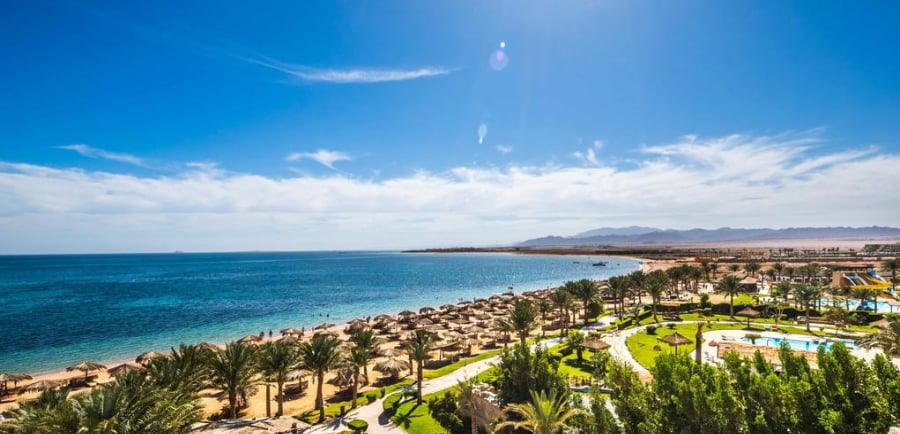
Popular investment hotspots in Egypt include urban centers like Cairo, which boasts a dynamic economy, and Alexandria, known for its rich history and cultural significance. Additionally, the Red Sea resorts present unique opportunities with the tourism sector's growth. Conducting a location analysis that encompasses these factors will enable investors to make informed decisions and maximize their investment potential in Egypt's evolving real estate market.
When considering a property for long-term investment in Egypt, several key features must be assessed to gauge its investment potential. One of the most significant aspects is the property’s size and layout. Properties with a generous square footage often attract a larger pool of potential renters, enhancing the rental yield. Therefore, aspiring investors should prioritize properties that can accommodate multiple bedroom configurations or multifunctional spaces, as these are generally more appealing to families and long-term tenants.
The design and age of the property also play crucial roles in its overall value. A well-designed property, characterized by modern amenities and functionality, tends to retain its value more effectively over time. Conversely, older properties may require substantial maintenance, which can significantly impact profitability due to increased repair costs. Investors should conduct thorough inspections to identify any potential structural issues or cosmetic updates required, which could affect future cash flows.
Maintenance costs are another critical factor; properties requiring high upkeep can erode profitability, making it vital to understand the potential expenses involved. It is advisable to factor these costs into the investment equation to derive accurate projections regarding net cash flow. Furthermore, investigating the surrounding area’s infrastructure, such as schools, transport links, and commercial facilities can enhance a property's desirability and investment potential.
Finally, understanding rental yields in the Egyptian market is essential for calculating the return on investment (ROI). Investors should analyze historical rental prices and market trends to forecast whether a property is likely to appreciate in value over time. By examining key indicators such as vacancy rates and average rental prices in the area, investors can make informed decisions aligned with their financial goals, ensuring a successful long-term investment in Egypt.
Navigating Legal and Financial Considerations
When considering property investment in Egypt, understanding the legal landscape is paramount. Egypt's property laws dictate the rights and obligations of owners and investors. Foreigners can buy property, but they must adhere to specific regulations, including limitations on the size and location of properties. It is advisable to engage a reputable lawyer who specializes in real estate transactions in Egypt. This expert can help navigate through the complexities of property laws, ensuring compliance and safeguarding one’s investment.
Conducting thorough due diligence is crucial before finalizing any property purchase. This process involves verifying property titles and ensuring that the property is free of legal disputes or encumbrances. Prospective buyers should obtain an official title deed and check property registration with the Egyptian government. Engaging a local real estate expert can significantly aid in mitigating risks and facilitate the verification process.
Financial implications are another critical aspect of property investment. Investors should be prepared for various taxes and fees associated with property transactions. These may include registration fees, notary fees, and documentary stamp taxes, which can add significantly to the overall cost. Additionally, it is prudent to consider the ongoing costs of property ownership, such as maintenance, property management, and local taxes.
Financing options are available to investors, and understanding these can enhance one’s investment strategy. Egyptian banks offer mortgage products tailored to property purchasers, although conditions may vary for local and foreign investors. It is essential to compare different mortgage rates and terms to find a financing solution that aligns with one’s investment goals. By meticulously assessing all legal and financial considerations, buyers can make informed decisions that will facilitate a successful long-term investment in Egyptian real estate.
Start building your wealth today – explore the best properties for long-term investment in Egypt!