
Hidden Costs of Buying Property in Egypt: 7 Costs Buyers Should Know
Hidden costs of buying property in Egypt: discover 7 expenses beyond the purchase price, including fees, taxes, maintenance, and legal costs.
BUYING GUIDEINCOMERED SEA PROPERTIESREAL ESTATEINVESTMENT OPPORTUNITIES
10/8/20267 min read

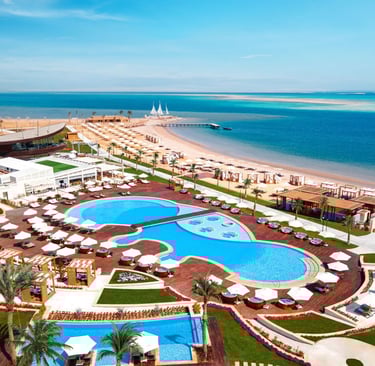
Hidden Costs of Buying Property in Egypt: 7 Costs Buyers Should Know
A property's advertised price in Egypt is usually the amount the seller or developer expects to receive for the unit itself. It is not necessarily the full amount required to complete the purchase, take possession, and maintain ownership.
Various expenses can appear at different stages of the transaction, from the initial negotiation to post-handover ownership. Treating the listing price as the complete budget can therefore lead to an inaccurate assessment of affordability.
For foreign buyers in particular, additional considerations may include document checks, legal representation, banking requirements, currency conversion, and registration procedures. Even domestic buyers can overlook charges when a property is promoted with a headline price that does not include every related cost.
The final cost depends on several factors, including the property's location, purchase price, type, condition, developer or seller, payment method, and whether the property is new or resale.
This guide explains 7 hidden costs of buying property in Egypt that buyers should consider before committing to a purchase.
1. Legal and Due Diligence Costs
Legal support is one of the most important expenses to consider when buying property in Egypt.
An independent property lawyer may charge for reviewing contracts, checking ownership documents, verifying title, examining the seller's authority to sell, and identifying potential restrictions or outstanding obligations.
The cost can vary depending on the property and transaction complexity. Buyers should therefore request a clear written scope of work and fee before proceeding.
What Can Legal Due Diligence Include?
Depending on the transaction, legal review may cover:
Ownership and title documents
Sale contracts
Developer agreements
Seller authority
Registration status
Existing liens or restrictions
Property permits
Outstanding obligations
Power of attorney documentation
Contract cancellation and payment terms
Independent legal advice is particularly important for foreign buyers or transactions involving significant deposits and installment payments.
2. Registration and Documentation Fees
Registration and documentation can create additional costs beyond the advertised property price.
Depending on the transaction, buyers may encounter expenses related to contract registration, official records, notarization, certified translations, powers of attorney, and other administrative requirements.
The exact process and applicable fees depend on the property and transaction.
Buyers should confirm current requirements with the relevant Egyptian authorities or a qualified local professional rather than relying on general estimates.
Documents and Administrative Costs to Check
Before completing a purchase, clarify whether you will need to budget for:
Contract documentation
Registration-related charges
Notarization
Certified translations
Powers of attorney
Official document copies
Administrative certificates
Other government-related procedures
These expenses may seem relatively small compared with the property price, but several charges can accumulate during the transaction.
3. Broker, Agent, and Transaction-Related Charges
Broker or real estate agent commission should always be clarified before proceeding with a purchase.
In many transactions, the seller or developer pays the commission, but arrangements can vary. This is particularly important where an agent represents the buyer or where additional services are provided.
The commission may be calculated as a percentage of the purchase price or agreed as a fixed amount.
Before signing anything, confirm:
Who pays the commission
The exact commission amount or percentage
When the payment is due
Whether VAT or other charges apply
What services are included
Do not assume that brokerage costs are automatically included in the advertised property price.
4. Taxes, Government Charges, and Transaction Duties
Taxes and government-related charges can also affect the total cost of buying property in Egypt.
The applicable liability and amount can depend on the property, transaction structure, location, ownership circumstances, and current Egyptian regulations.
Because these rules can change and may differ between transactions, buyers should obtain current professional advice rather than rely on a fixed percentage found in an advertisement or informal discussion.
A complete property budget should clearly identify any applicable taxes, duties, government charges, or transaction-related payments before the buyer commits to the purchase.
5. Financing and Currency Conversion Costs
Financing can create costs beyond the interest charged on a loan.
Depending on the financing structure, buyers may need to consider:
Bank arrangement fees
Property valuation fees
Mortgage-related legal costs
Insurance
Bank transfer charges
Currency conversion fees
Exchange-rate spreads
International transfer costs
Currency Exchange Can Affect the Real Purchase Cost
Currency conversion is particularly important for buyers transferring funds from abroad.
Even when the agreed property price is fixed, exchange-rate movements, bank conversion spreads, and international transfer charges can change the amount the buyer ultimately needs to provide.
For properties purchased through installments, the timing of payments can make currency movements even more relevant.
Buyers should therefore understand the payment currency, payment schedule, transfer method, and any associated banking costs before signing the contract.
6. Handover, Finishing, and Connection Costs
The advertised purchase price does not always include everything required to make a property ready for occupation or rental.
Handover costs can be particularly important when buying a newly delivered or unfinished property.
Potential expenses may include:
Finishing work
Repairs
Air conditioning
Kitchen appliances
Furniture
Lighting
Fixtures
Maintenance deposits
Utility connections
Service activation
Parking
Community or facility-related charges
New Development vs Resale Costs
New developments may involve developer-related charges, maintenance deposits, finishing packages, parking fees, or other handover expenses.
Resale properties may avoid some developer charges but can require additional spending on repairs, renovations, appliances, or furniture.
Before buying, request a clear handover specification showing exactly what is included in the purchase price.
7. Ongoing Ownership and Property Management Costs
The costs of buying property do not end when the purchase is completed.
Owners may continue to pay recurring expenses throughout the property's ownership period.
These can include:
Building or compound maintenance
Service charges
Property management
Security
Utilities
Insurance
Applicable taxes
Repairs
Furniture replacement
Landscaping
Pool maintenance
Vacancy-related expenses
The exact costs depend heavily on the type and location of the property.
An apartment in a managed resort, for example, may have different service and facility costs from a standalone property.
Rental Properties Require Additional Budgeting
If you plan to rent the property, include rental management and operating expenses when calculating potential returns.
A property may generate attractive gross rental income but produce a much lower net return after management fees, maintenance, utilities, taxes, service charges, and periods without tenants.
Always calculate investment performance using realistic net income rather than advertised gross rental revenue.
Why the Advertised Property Price Is Not the Full Cost
Two properties with the same advertised purchase price can have very different total ownership costs.
A new development may include extended payment plans but also require maintenance deposits, finishing, parking, or other charges.
A resale property may have a lower headline price but require legal due diligence, renovation, furniture, repairs, or settlement of outstanding utility and community charges.
Property type also matters.
Apartments can involve shared maintenance and service charges, while villas may require additional spending on private landscaping, pools, security, and exterior repairs.
Commercial properties can have different licensing, fit-out, utility, and service requirements, while land purchases require careful examination of zoning, boundaries, access, infrastructure, and registration.
Location Can Change the Total Cost
The hidden costs of buying property in Egypt can also vary by location.
Properties in Cairo, Alexandria, the North Coast, and Red Sea destinations can have different maintenance structures, service levels, management arrangements, and seasonal rental patterns.
Resort properties may involve additional facilities, security, community services, and rental-management charges.
Developing areas may have different infrastructure and service considerations.
This is why using one generic percentage as an allowance for all additional costs can be misleading.
The appropriate budget should be based on the specific property and transaction.
Foreign Buyers Should Consider Additional Requirements
Foreign buyers may face additional documentation, banking, currency-transfer, ownership, approval, or registration considerations depending on the property and transaction.
These requirements should be checked for the specific purchase rather than assumed to apply uniformly to every property in Egypt.
International buyers should also account for:
Currency conversion
International transfer fees
Bank charges
Legal representation
Certified translations
Powers of attorney
Travel costs where applicable
Exchange-rate movements
Professional advice from an Egyptian property lawyer, accountant, bank, or relevant authority can help clarify which requirements apply to the individual transaction.
How to Calculate the True Cost of Buying Property in Egypt
Before signing a contract or paying a nonrefundable deposit, create a complete acquisition budget instead of relying on the advertised property price.
Your budget should include separate estimates for:
Purchase price
Reservation deposit
Down payment
Legal fees
Registration and documentation
Brokerage commission
Taxes and government charges
Financing costs
Currency conversion
Bank transfer fees
Inspection costs
Finishing and repairs
Furniture and appliances
Utility connections
Maintenance deposits
Insurance
Property management
Ongoing service charges
Emergency reserves
Separating each expense makes smaller charges easier to identify and helps determine whether the property remains affordable after completion.
Ask for a Complete Fee Schedule Before Buying
Buyers should request written cost information from the relevant parties, including the seller or developer, broker, bank, lawyer, and property or compound management.
For every additional charge, ask:
Who is responsible for paying it?
How much is it?
When is it payable?
Is it refundable?
Is it included in the contract?
Is it included in the advertised price?
Can the amount change later?
Buyers should also confirm whether unpaid utility bills, service charges, maintenance contributions, taxes, or other obligations could remain attached to the property.
Written terms should take priority over informal verbal assurances.
Use Due Diligence to Identify Unexpected Costs
A proper due diligence process can reveal costs that are not obvious during the initial property viewing.
For resale properties, check the ownership documents, outstanding utility bills, maintenance payments, permits, and physical condition.
For new developments, review the payment schedule, handover specifications, maintenance fees, finishing standards, parking arrangements, and any additional developer charges.
Where possible, have an independent lawyer review the documentation and contract before committing to a substantial payment.
Keep a Contingency Reserve
Even after creating a detailed budget, buyers should maintain a reserve for unexpected expenses.
Potential surprises can include:
Additional repairs
Administrative charges
Documentation issues
Handover delays
Exchange-rate movements
Higher-than-expected maintenance
Furniture replacement
Unexpected service costs
The contingency reserve should remain available after the initial purchase and should not be fully consumed by furnishing or finishing the property.
Final Thoughts on the Hidden Costs of Buying Property in Egypt
The advertised property price is only the starting point when calculating the true cost of buying property in Egypt.
Legal and registration expenses, brokerage arrangements, taxes, financing and currency costs, handover expenses, and ongoing ownership charges can all affect the final investment.
The exact costs vary depending on the property, location, developer or seller, transaction structure, and buyer's circumstances.
The safest approach is to create a property-specific all-in budget before committing funds. Obtain written fee schedules, review the contract carefully, verify ownership and documentation, and seek independent professional advice where necessary.
Understanding the hidden costs of buying property in Egypt allows buyers to compare properties more accurately and make decisions based on the real financial commitment rather than the advertised purchase price alone.
Want to understand the full cost before buying a property in Hurghada?