
Creating Healthy Living Spaces: Homes Designed for Mind, Body, and Soul
A healthy living space is fundamentally designed to foster the well-being of its inhabitants by creating an environment that promotes mental, physical, and emotional health. This concept connects our surroundings directly to our quality of life, as the spaces we inhabit can have a profound impact on our mood, energy levels, and overall health. The essence of a healthy living space lies in its design principles, which prioritize aspects such as natural light, air quality, and the materials used within the home.
BUYING GUIDEREAL ESTATEINVESTMENT OPPORTUNITIES
12/18/20254 min read
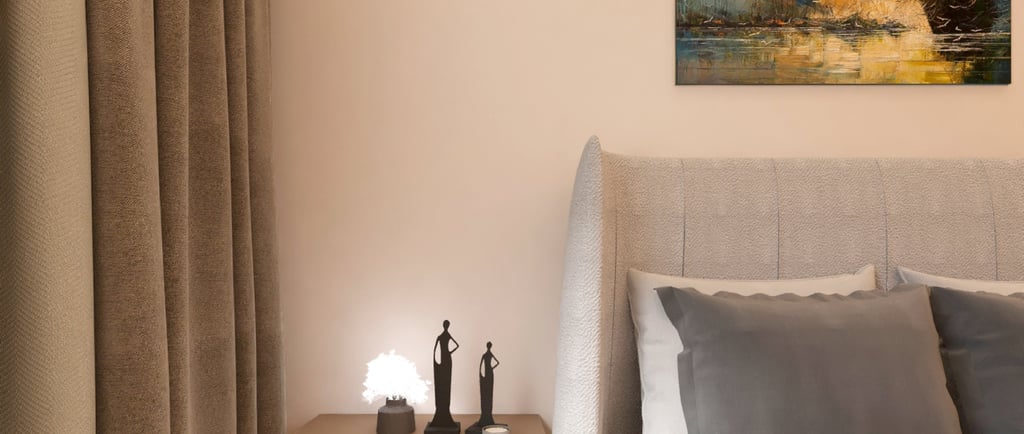
The Concept of Healthy Living Spaces
A healthy living space is fundamentally designed to foster the well-being of its inhabitants by creating an environment that promotes mental, physical, and emotional health. This concept connects our surroundings directly to our quality of life, as the spaces we inhabit can have a profound impact on our mood, energy levels, and overall health. The essence of a healthy living space lies in its design principles, which prioritize aspects such as natural light, air quality, and the materials used within the home.
Natural light plays a critical role in maintaining a healthy atmosphere. Exposure to sunlight not only brightens rooms but also contributes significantly to our mental health by enhancing mood and regulating sleep patterns. Homes designed with large windows or open layouts can facilitate this, minimizing reliance on artificial lighting while improving the home's aesthetic appeal.
In addition to light, air quality is an essential consideration in healthy living spaces. Proper ventilation and the use of air-purifying plants can greatly improve indoor air quality, thereby reducing the risk of respiratory issues. Additionally, choosing low-VOC (volatile organic compounds) paints and eco-friendly materials aids in creating a cleaner atmosphere that fosters overall health and well-being.
The use of sustainable materials is another cornerstone of a healthy living space. Using natural and responsibly sourced materials contributes not only to reducing environmental impact but also enhances the indoor environment. Materials such as bamboo, reclaimed wood, and organic textiles create a home that supports the physical health of its occupants while providing a connection to nature.
Ultimately, the concept of a healthy living space is about creating a nurturing environment that uplifts the spirit, supports physical health, and promotes emotional resilience. By thoughtfully integrating elements such as natural light, air quality, and sustainable materials, we can design homes that truly cater to the well-being of individuals and families.
Elements of a Healthy Home Design
Creating a healthy living environment involves thoughtful design elements that cater to the mind, body, and soul. The layout of a room plays a critical role in fostering a sense of well-being. Open floor plans, for instance, can encourage natural light flow, which enhances mood and energy levels. Strategic placement of furniture is equally important; ensuring pathways are clear and promoting a flow that supports movement reduces physical and mental barriers, fostering a more harmonious living space.
Incorporating greenery is another vital element of healthy home design. Research has consistently shown that plants can improve indoor air quality, reduce stress levels, and enhance overall feelings of tranquility. They serve not only as aesthetic enhancements but also as critical components for emotional wellness, connecting residents with nature even within an indoor environment. Options such as succulents, peace lilies, or snake plants require minimal maintenance while still offering significant health benefits.
Moreover, sound design within the home significantly influences tranquility and relaxation. Acoustic considerations, such as soundproofing rooms or using soft furnishings to absorb noise, can create a peaceful atmosphere that minimizes distractions. Natural sounds, like water features or wind chimes, can further enhance the feeling of serenity in a home.
In addition to these elements, considering color choices in home decor can impact emotional states. Soft, calming colors such as blues and greens are known to promote relaxation, while brighter hues can energize and stimulate the mind. Integrating these strategies into a home's design not only enhances aesthetic appeal but also fosters a healthy environment that supports overall well-being.
Creating a home that nurtures the mind, body, and soul involves embracing holistic practices that encourage wellness in all aspects of life. One effective way to achieve this is through the use of aromatherapy. Incorporating essential oils such as lavender, eucalyptus, or citrus can transform spaces, promoting relaxation, energy, or clarity, respectively. Diffusing these scents in living areas or during specific activities, like reading or practicing yoga, can enhance emotional well-being and serve as a powerful tool in achieving a harmonious home.
Designing mindful spaces is another vital aspect of holistic home wellness. Dedicating a particular area for meditation or yoga can create a sanctuary for self-reflection and relaxation. This space should be free from clutter and distractions, ideally incorporating natural elements like plants, soft lighting, and comfortable cushions. The strategic placement of these spaces within the home encourages individuals to engage in mindfulness practices, fostering a deeper connection with oneself and supporting mental health.
Moreover, creating zones for a digital detox is essential in our technology-driven age. Allocating specific areas in the home where technology is limited can promote interaction with family members and nature. For example, a reading nook or a garden patio can serve as inviting retreats, encouraging activities that nourish the soul without the interference of screens. These intentional boundaries can enhance personal growth, as they allow for undistracted time to think, dream, and breathe.
In conclusion, by integrating these holistic practices into home design, individuals can cultivate environments that support their overall well-being. This approach lays the groundwork for balance and harmony, ultimately leading to enriched personal lives and better mental, emotional, and physical health.
The Future of Healthy Living Spaces
The concept of healthy living spaces is evolving rapidly, making room for innovations that intertwine wellness and design. As technology continues to advance, future homes are projected to leverage smart home innovations to enhance the well-being of their residents. Automated systems can monitor air quality, adjust lighting according to the time of day, and even suggest personal wellness routines tailored to the individual’s lifestyle. By integrating technology into the fabric of home design, individuals can cultivate environments that promote physical and mental health.
Moreover, eco-friendly building practices are becoming increasingly prominent, as society grows more aware of environmental issues. Homes constructed from sustainable materials not only reduce the carbon footprint but also enhance the indoor atmosphere. Green roofs, energy-efficient appliances, and the use of non-toxic building materials are just a few examples of how future homes can align with ecological responsibility while creating a healthier living environment.
Another notable trend is community-focused living spaces that prioritize well-being. Collaborative neighbourhood designs encourage social interaction, foster a sense of belonging, and promote physical activity through accessible outdoor spaces. Such developments often incorporate community gardens, shared gyms, and open areas for recreational activities, all of which contribute to the overall health of the residents. As mental health awareness rises, these community aspects will likely become indispensable in future home designs, offering support networks that protect individual and collective well-being.
In conclusion, the future of healthy living spaces holds promising advancements that marry technology, sustainability, and community welfare. As homeowners increasingly seek environments that foster their well-being, the direction of home design will inevitably reflect this essential connection between livable spaces and holistic health.
Invest in Your Wellbeing – Explore Homes Designed for Mind, Body, and Soul Today!