
Why Everyone is Talking About Egypt’s Real Estate Boom Right Now
Discover why Egypt’s real estate market is booming in 2026. Learn about rising demand, infrastructure growth, foreign investment, and top opportunities driving the property market surge.
BUYING GUIDEINCOMERED SEA PROPERTIESREAL ESTATEINVESTMENT OPPORTUNITIES
6/9/20264 min read
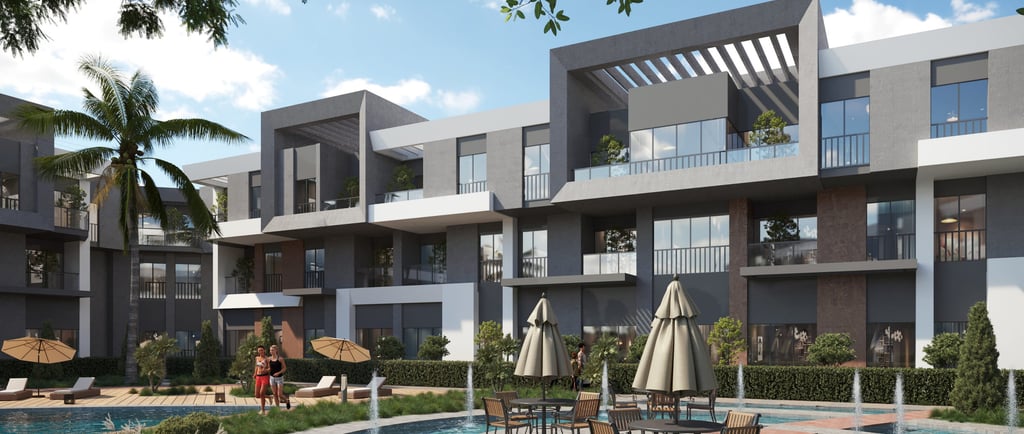
An Overview of Egypt's Real Estate Market
Egypt's real estate market has long been considered a pivotal component of the country's economic framework. Historically, real estate in Egypt has experienced cycles of growth and decline, heavily influenced by political changes and economic conditions. The current boom in the real estate sector can be traced back to a combination of robust government initiatives and a period of economic reforms aimed at attracting both local and foreign investors. These reforms include measures designed to simplify property ownership and improve regulatory frameworks, ultimately creating a more favorable investment environment.
The recent surge in investment from foreign entities, especially from the Gulf States, has further augmented the real estate landscape. With increased capital influx, many development projects are underway, showcasing luxury residential units, commercial spaces, and infrastructure enhancements. Notably, the government has also launched various initiatives to promote the construction of affordable housing, addressing the critical issue of housing supply in urban areas.
As of 2023, recent statistics reflect a positive trend: the real estate sector has witnessed a year-on-year growth rate of approximately 10%, driven by both domestic demand and foreign investment. Major players in the market, including leading developers and construction firms, have expanded their portfolios significantly, resulting in the launch of numerous high-profile projects across major cities such as Cairo and Alexandria. Additionally, the introduction of urban development projects in the New Administrative Capital signifies the government’s ambition to transform the urban landscape and accommodate the growing population.
The positive trajectory in Egypt’s real estate market is underpinned by favorable demographics, robust economic growth, and an increasing interest in property investment as a hedge against inflation. This synergy of factors forms the backbone of an evolving market that has captured the attention of investors and analysts alike.
Key Factors Driving the Boom
The current boom in Egypt’s real estate sector can be attributed to a confluence of several key factors. First and foremost is the country's significant population growth, which has resulted in increasing demand for residential and commercial properties. With estimates placing the population at over 100 million, the demand for housing is at an all-time high, especially in urban areas where job opportunities are concentrated.
Urbanization trends further accentuate this demand, as more citizens migrate from rural areas seeking better employment prospects and lifestyle options in cities. This trend not only increases the need for homes but also for infrastructure, including schools, hospitals, and transportation systems. As cities like Cairo continue to expand, the real estate market is experiencing unprecedented growth, attracting attention from investors.
The emergence of a growing middle class in Egypt has also played a pivotal role in this real estate boom. With an increase in disposable income, more individuals are entering the housing market, driving demand for properties across various segments. The changes in consumer behavior, coupled with a youthful demographic eager to invest in their future, further bolster the sector's dynamism.
Moreover, the Egyptian government has implemented significant policies and incentives aimed at stimulating real estate investment. Initiatives such as reduced property registration fees, streamlined construction regulations, and tax exemptions for certain types of real estate developments have made the market more attractive for both domestic and international investors. These measures have encouraged foreign capital inflow and have fostered a competitive landscape, ultimately contributing to a vibrant and thriving real estate environment.
In summary, the interplay of population growth, urbanization, a burgeoning middle class, and proactive governmental policies has created a fertile ground for Egypt's real estate boom, making it a focal point for investors at this moment in time.
Investment Opportunities and Popular Locations
Egypt's real estate market has become increasingly attractive to both local and international investors, driven by a combination of economic reforms, stable growth, and rapidly expanding infrastructure projects. As a result, there are numerous investment opportunities across various segments of the market, capturing the attention of those looking to capitalize on the nation’s booming real estate sector.
One of the most prominent areas of development is Cairo, the capital city, which continues to be a significant hotspot for real estate investments. The New Administrative Capital, strategically located just outside Cairo, is poised to redefine urban living in Egypt. This ambitious project features a plethora of residential, commercial, and mixed-use developments, attracting considerable interest due to its modern infrastructure and planned amenities. Properties in this area, including luxury apartments and business complexes, present lucrative opportunities for investment.
Moving beyond the capital, coastal cities like Alexandria and Hurghada are drawing attention for their vibrant tourism sectors. Alexandria’s historical significance alongside its scenic Mediterranean coastline makes it a prime location for vacation homes and rental properties. In contrast, Hurghada, with its stunning beaches and water sports activities, appeals to investors interested in tourism-driven developments, such as resort-style accommodations and leisure facilities.
Furthermore, affordable housing projects are gaining traction as the government prioritizes inclusivity in homeownership. This focus on affordable options resonates well with both domestic buyers and foreign investors seeking stable returns. As such, the diversification of property types—from luxury apartments to commercial real estate and affordable housing—underscores the dynamic nature of Egypt's real estate landscape, presenting a range of options for potential investors eager to engage in this booming market.
Challenges and Risks in the Market
Investing in Egypt’s real estate market, despite its current boom, is not without challenges and risks. One of the central concerns is economic instability, which can significantly affect investment returns. The Egyptian economy has experienced fluctuations, and external factors such as global economic trends and commodity prices can quickly impact the market landscape. Investors must stay informed about economic indicators and trends that may signal potential downturns.
Regulatory hurdles also pose significant challenges for investors. While recent developments in legislation have aimed to open up the market to foreign investors, navigating the legal framework can still be complex. Understanding property rights, zoning laws, and tax implications is essential for ensuring compliance and maximizing investment potential. Investors often need to engage local legal experts to assist in navigating these regulations, adding an additional layer of complexity and cost.
Another risk involves potential oversaturation in specific segments of the market, particularly in luxury real estate and residential developments. As developers respond to increased demand, there is a tendency to overbuild, which could lead to a market correction if supply outstrips demand. Investors should conduct thorough market research and consider diversification to mitigate risks associated with sector-specific downturns.
The socio-political environment also significantly impacts investor confidence. Political stability is a crucial factor when assessing the viability of real estate investments in Egypt. Foreign investment can be sensitive to changes in government policy and political unrest, which could disrupt business operations and reduce property values. Therefore, potential investors must continuously evaluate the political landscape and its implications for their investment strategies.